How to Answer Salary Expectation Question Without Underselling Yourself
Learn how to answer salary expectation question with a researched range, a clear script, and room to discuss the full compensation package. Adapt your response to the application or interview without naming an unsupported number.

Free Chrome extension
Let AI answer these questions for you
JobWizard fills sponsorship, work-auth, and availability answers correctly on every application — free.
Start with the number you can support
How to answer salary expectation question well starts with research, not a guess. Before you reply in an application or interview, find a compensation range that reflects the role, your experience, and the job’s location. Then give an answer that keeps the conversation open without committing to a number you would regret.
Employers may ask about salary expectations in an application field, a recruiter screen, or a later interview. The goal is to answer clearly while leaving room to discuss responsibilities and the complete compensation package.
If you’re preparing for several application questions at once, the complete guide to answering job application questions offers a broader method for building consistent, specific responses.
How to answer salary expectation question with a researched range
A researched range gives the employer useful information while preserving room to negotiate. Check salary information for comparable roles, paying attention to location, seniority, industry, and responsibilities. Compare more than one source when possible, because titles can describe different levels of work.
Set two figures before you respond: your target, which reflects what you hope to earn, and your minimum acceptable amount, which is the floor you would genuinely consider. Keep the lower end of any range above that floor; otherwise, the range could anchor the discussion below what works for you.
For example, if your research supports an annual range of $85,000–$100,000 and the lower figure is acceptable to you, you might say:
“Based on the role’s responsibilities and my experience, I’m targeting a salary in the $85,000 to $100,000 range. I’m open to discussing the full compensation package and how the position is structured.”
Use figures that fit your research and circumstances; the example is a format, not a recommended market rate. If the employer’s range is already public, compare your expectations with it before answering.
Choose wording that fits the moment
Match your response to whether you’re completing a form or talking with a recruiter. A written field may require a short answer, while a live conversation gives you a chance to ask about the budget and clarify what the role includes.
- When you have reliable research: “I’m targeting a range of [researched low] to [researched high], depending on the role’s scope and total compensation.”
- When you need more role details: “I’d like to understand the responsibilities and overall package before settling on a figure. Is there a budgeted range for the position?”
- When an application accepts text: “Open to discussing a market-aligned range based on the responsibilities and total compensation.”
- When a form requires one figure: Enter a researched number that you would genuinely consider, in the pay period the form requests.
Avoid saying “anything is fine” if you have a real minimum. It can obscure your needs and makes it harder to assess whether the opportunity is a fit.
If you are dealing specifically with a required minimum field, see how to answer a minimum salary question on an application without closing doors. For wording you can adapt when a form asks what you expect to earn, use this guide to salary expectations on a job application.
Keep the conversation open without dodging the question
A strong answer is direct about your expectations and flexible about the details. You do not need to provide a long explanation or apologize for asking for compensation that fits the role. Give a concise range or ask a relevant question if you need more context.
In a recruiter conversation, you might say, “I’m looking for a fair offer that reflects the role and my experience. Could you share the budgeted range?” If the recruiter provides one, you can respond with whether it aligns with your research and your minimum.
Consider the full offer, not just base salary. Depending on the employer and position, compensation discussions may include benefits or other pay components; ask what applies rather than assuming every element is available.
To prepare a concise response for a form or screening call, see this recruiter-ready pay expectations script. Adjust its wording so it reflects your own range and the specific role.
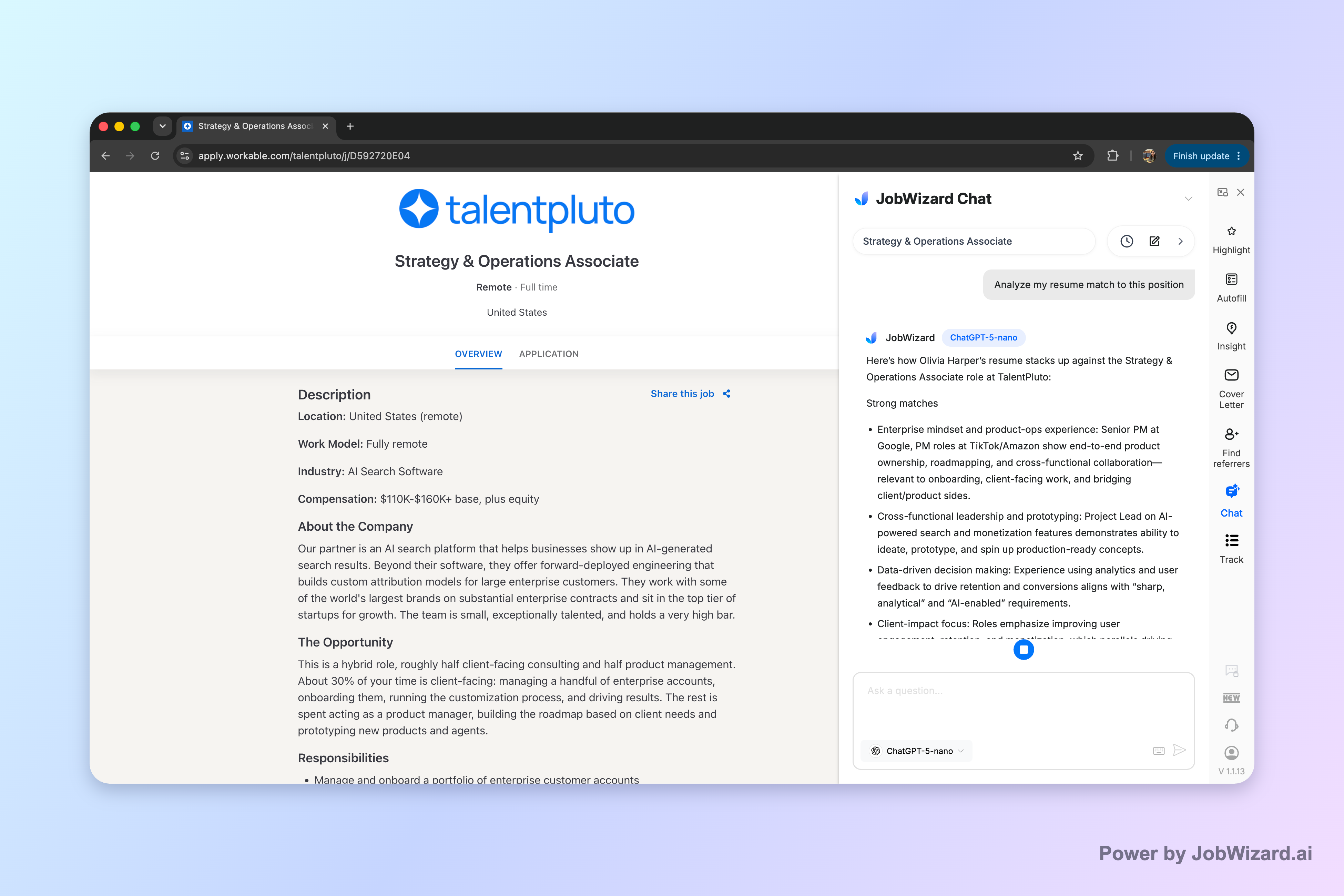
Career Chat can keep a current role in context while you ask a follow-up about application strategy or how your experience fits the position, without pasting the job description again. Treat its analysis as a starting point—not a recruiter decision or a guarantee that you qualify—and verify the answer against the job description.
Salary expectation mistakes to avoid
Protect your leverage by being accurate, prepared, and consistent. A rushed number can be difficult to walk back, while an evasive answer may leave the employer unsure whether your expectations fit the position.
- Guessing before researching: Check comparable roles and account for the job’s location, level, and scope.
- Giving a range you would not accept: Make sure its lower end is a real option for you.
- Confusing a minimum with a target: Your minimum is a private decision point; your stated expectation should reflect your research and goals.
- Ignoring the field’s instructions: Match the requested format, such as annual or hourly pay, and provide a number if the form requires one.
- Overexplaining or apologizing: A concise, professional answer is usually easier to discuss than a lengthy defense.
- Forgetting the total package: Clarify the compensation structure and relevant benefits before evaluating an offer.
If an application’s wording is unclear, read it carefully before entering a figure. “Minimum salary” asks for a different decision than an open-ended question about expectations, so do not automatically use the same response for both.
Do this automatically with JobWizard
Skip the manual work — JobWizard's Smart Autofill handles this for you.
Frequently asked questions
Use these quick answers to handle common salary-expectation situations. Adapt the wording to the employer’s prompt and the details you can verify.
How to answer salary expectation question if I don’t know the market rate?
If you’re unsure how to answer salary expectation question with a specific number, research comparable roles by location, level, and responsibilities before responding. If the application allows it, say you’re open to discussing a fair, market-aligned range based on the role and total compensation. Don’t invent a figure just to fill the silence.
Should I give a salary range or a single number?
A range is often useful when you have reliable research and the employer allows one. Choose a range whose lower end you would genuinely accept, and explain that the right point depends on the role’s scope and total compensation. If the form requests one number, follow its format and use a researched figure.
What if an application requires my minimum salary?
For a required minimum salary field, enter a researched floor you would realistically accept, not an arbitrary low number. Check whether the field asks for annual pay, hourly pay, or another period, and review the separate guidance on how to answer a minimum salary question on an application.
How can I tailor my answer to a specific role?
Use the job description to understand the role’s level, responsibilities, and location, then compare those details with reliable salary information. You can also use Career Chat to ask a focused follow-up about the current role, then verify its response against the job description. Its analysis is not a recruiter decision or a guarantee that you qualify.
Ready to prepare for the role-specific follow-up? Ask JobWizard Career Chat a focused question about the current position, then check its response against the job description before deciding what to say.
Frequently Asked Questions
Let AI answer these questions for you
JobWizard fills sponsorship, work-auth, and availability answers correctly on every application — free.