Lazyapply Reviews: What Goes Wrong With Auto-Submission (and the Better Way to Apply)
Looking for lazyapply reviews? Here’s what auto-submit bots can get wrong—screening answers, resume matches, and spam filters—plus a safer alternative: review and submit yourself.
Free Chrome extension
Autofill your next job application
JobWizard is a free Chrome extension that fills applications, tracks statuses, and optimizes your resume.
Lazyapply reviews tend to attract one big question: “If an auto-apply tool can submit for me, why do people still warn about it?” The trade-off is simple—automation can speed up repetitive form filling, but it also increases the odds that the application you send is not the one the employer actually asked for. And when submissions look automated or contain wrong answers, you can lose momentum with companies you genuinely want.
In this guide, we’ll break down what typically goes wrong with lazyapply-style auto-submission and how to get the speed benefits without the avoidable risk. The goal isn’t to shame tools—it’s to help you choose a workflow you can stand behind.
Why lazyapply reviews focus on auto-submission mistakes
Most “lazyapply reviews” aren’t really about a single app—they’re about what happens when a bot submits without your real-time review.
Even good automation can struggle with job-specific nuance. Many application forms include screening questions, conditional prompts, and role-specific details that require intent and context. If the tool can’t interpret that context perfectly, the result can be a mismatch between what the employer wants and what you actually submitted.
- Wrong screening answers: A tool may guess incorrectly on eligibility, availability, compensation expectations, or other structured questions.
- Resume mismatches: The wrong version of your resume (or a less relevant one) may get reused when the posting calls for something different.
- Inconsistent profiles: If different applications use slightly different details, your application can look careless—even if you intended to be consistent.
- Automation signals: Repetitive, low-variety submissions can trigger employer-side checks that prioritize human, role-aligned applications.
None of this requires “malicious” behavior. It’s often just the reality of forms: they’re strict, and a small mistake can matter.
What can go wrong when a bot submits for you
If an auto-apply tool sends your application without you actively verifying each field, small errors become submission-level problems.
Here are the most common failure modes that show up in lazyapply reviews and broader discussions of auto-apply tools. Use this as a checklist when you evaluate any workflow that promises “hands-off” submission.
1) Screening questions get “close,” not correct
Some questions look straightforward but hide meaning. For example: “Are you able to work in the location listed?” may have a nuanced requirement depending on how you answer it. Or “How many years of experience do you have with X?” might require you to count experience differently than the tool’s assumption.
If the bot answers even one job-specific prompt incorrectly, the employer may auto-reject you—no follow-up.
2) Your resume may not match the posting’s keywords
Many job seekers maintain multiple resume versions (e.g., one optimized for leadership, one for technical depth, one for a specific industry). If an auto-submit tool grabs the wrong resume—or submits the same resume for every role—you can lose out on alignment that hiring teams expect to see.
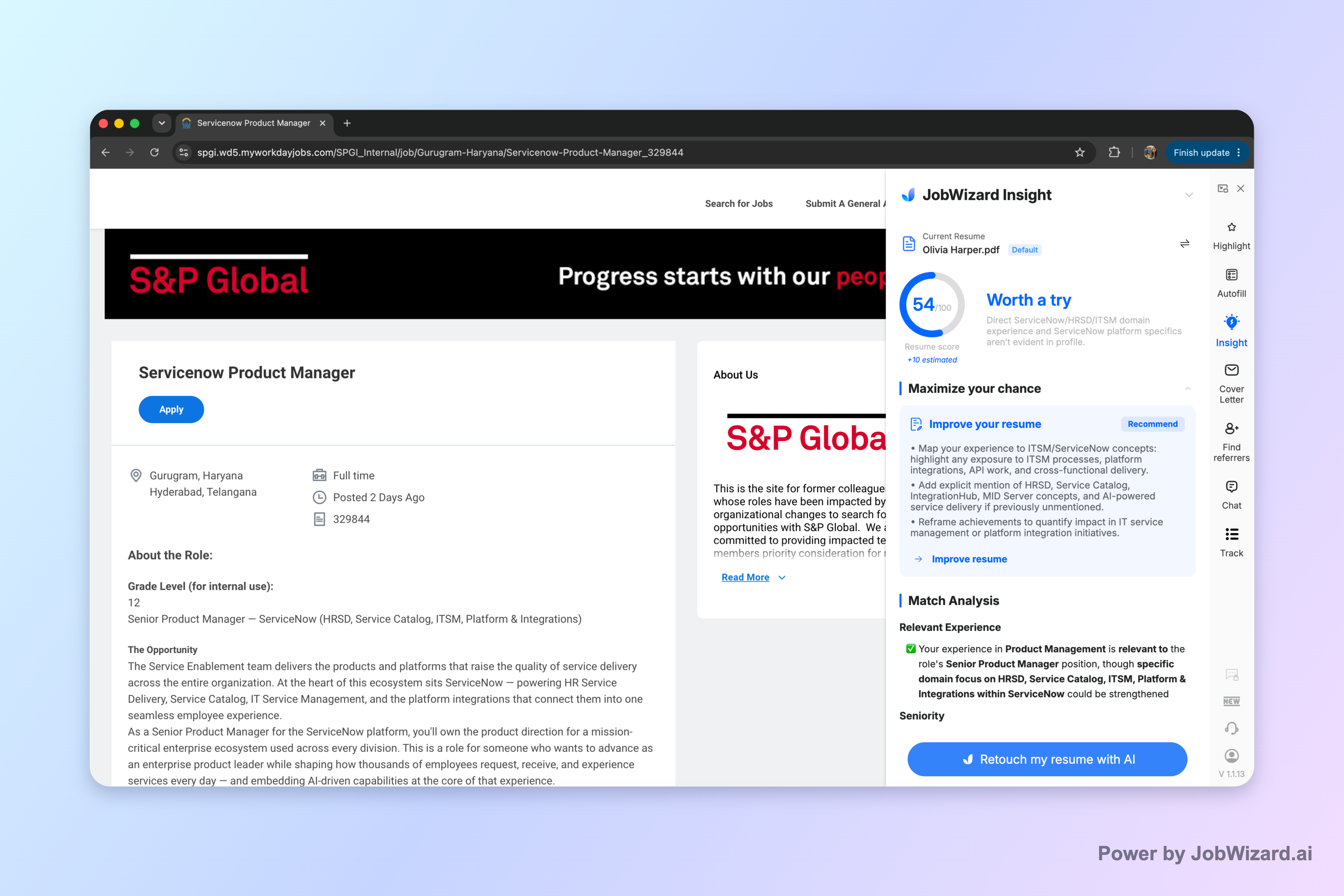
Resume mismatch doesn’t always mean the resume is “bad.” It can simply mean it isn’t the best representation for that exact role.
3) Employer-side systems may treat repeated patterns as low quality
Even without knowing the inner workings of every ATS, you’ve likely seen how forms are processed. Employer-side systems may flag submissions that look automated, incomplete, or inconsistent. If your applications share repeated formatting patterns or identical answers that don’t reflect the job description, you might get sorted into a “needs review” bucket—or a rejection bucket.
In other words, the risk isn’t just a single wrong answer—it’s also the overall impression created by the volume and uniformity of submissions.
4) You miss the moment to correct what matters
The most important advantage you have is simple: you’re the one who understands your story. When you submit yourself, you can correct details that automation can’t reliably infer—like the projects you actually shipped, the scope of your work, and the experiences that map to the role you care about.
Speed matters, but accuracy at the submit step matters more—especially when screening questions are auto-processed.
A reviewed alternative: fill fast, then submit yourself
The safer approach isn’t “apply slower.” It’s apply faster without losing control of the final answers.
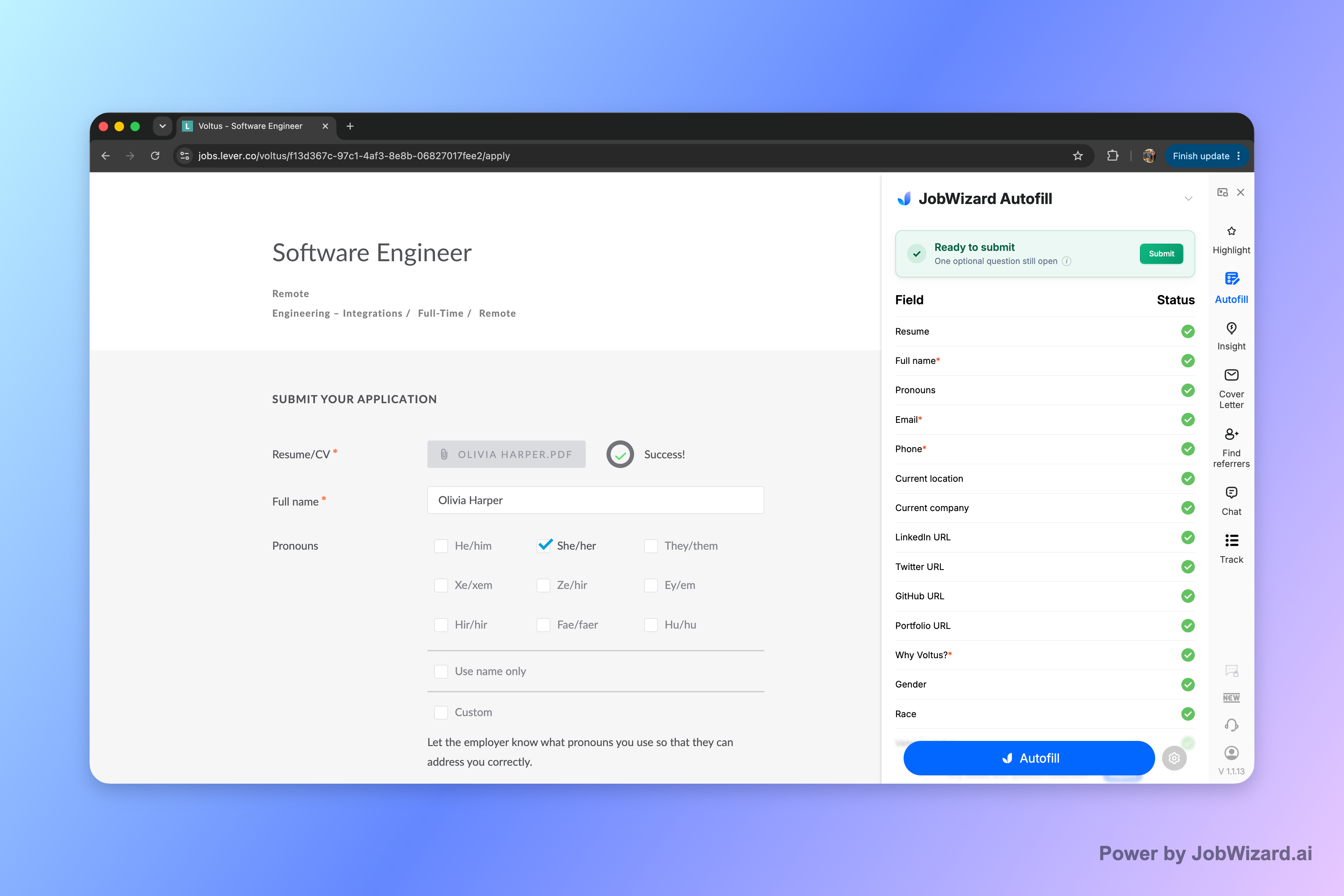
Instead of letting a bot submit while you’re away, look for workflows that help you move quickly through repetitive fields while keeping you in charge of the job-specific parts. The practical difference is where the responsibility lives: autofill can reduce manual typing, but the user review is what prevents wrong answers from becoming final submissions.
- Autofill repetitive fields: Populate standard items quickly so you don’t retype the same information every time.
- Review job-specific questions: Confirm screening prompts, eligibility details, and any role-dependent inputs.
- Verify the resume: Make sure the uploaded document matches the posting.
- Submit yourself: When you confirm it’s correct, you’re the last line of defense.
This is also how many “review-before-submit” approaches are framed in job application workflows: the repetitive parts get filled quickly, while the user retains the final say on sponsorship, salary-related fields, EEO-related items, and custom questions.
Why this helps you avoid the common lazyapply review complaints
- Less chance of wrong screening answers because you can catch them before submission.
- Fewer resume mismatches because you can confirm which version is being sent.
- Better control over consistency so your answers reflect your real experience.
- More confidence with employers you care about since your application is actually aligned when it lands.
How to evaluate “lazyapply” style tools fairly
Not all automation is the same—so the right way to read lazyapply reviews is to focus on what the workflow does at the moment of submission.
Here’s a fair framework you can use before trusting any tool that markets speed.
| Evaluation area | What to look for | Why it matters |
|---|---|---|
| Submission control | Does the user review and submit, or does the tool submit automatically? | Auto-submission increases the odds that wrong screening answers become final. |
| Screening question handling | Is there a review step for job-specific prompts? | Screening questions are often auto-processed and hard to fix after submission. |
| Resume alignment | Can you confirm which resume is being used for each posting? | Different roles call for different emphasis; mismatch can reduce fit. |
| Customization coverage | How are custom questions treated? | Custom questions can be role-critical and harder to “guess” correctly. |
| Employer risk | Does the process reduce automation signals by keeping submissions accurate and consistent? | Uniform, inconsistent, or automated patterns can be deprioritized. |
If you’re specifically reading lazyapply reviews to decide what to do next, prioritize tools/workflows that keep you “in the loop” at the submit step. That doesn’t mean you must do everything manually—it means you shouldn’t outsource verification.
Do this automatically with JobWizard
Skip the manual work — JobWizard's Smart Autofill handles this for you. On these platforms: JobWizard vs LazyApply.
FAQ: Lazyapply reviews and the auto-apply decision
What do lazyapply reviews usually warn about with auto-apply tools?
Many lazyapply reviews focus on the same risk: when a bot submits for you, it can answer screening questions incorrectly, reuse a resume that doesn’t match the role, and create a pattern that employer-side systems interpret as low-quality or spammy. That’s why the safest approach is to autofill repetitive fields, then review the exact screening answers and documents before you submit yourself.
Can an auto-apply tool hurt my reputation with employers?
Yes, it can—especially if the same applicant profile submits multiple applications with inconsistent answers or mismatched resumes. Employers can flag submissions that look automated, and you may reduce your chances with companies you actually want. A better workflow is to fill repetitive details quickly, then personally confirm job-specific questions, sponsorship/EEO details, and the resume you’re sending.
If I’m applying fast, what’s the safer alternative to lazyapply-style auto-submission?
Use a workflow that saves time without sending on your behalf: autofill the repetitive parts of an application while you’re on the form, then review-before-submit. That way you can quickly correct screening questions, choose the right resume/experience highlights, and submit with accurate, job-specific answers.
How do I know whether my answers actually match the job?
Before you submit, scan the application for the job-specific fields: screening questions, eligibility/sponsorship items, employment history details that differ by role, and anything tied to responsibilities. Compare those answers against the job description and verify the resume you’re uploading is the best match for that posting.
Key takeaway: If you want the speed of automation, choose a workflow that helps you type less—but still requires your confirmation at submission.
Try JobWizard for “fill fast, verify, submit”: open your next application form, let JobWizard autofill the repetitive fields, then review every screening question and document before you submit yourself—so you get speed without turning your applications into avoidable mistakes.
Frequently Asked Questions
Autofill your next job application
JobWizard is a free Chrome extension that fills applications, tracks statuses, and optimizes your resume.